

Psalm 31:1
in search of a smoother bourbon
To David himself, understanding. Blessed are they whose iniquities are forgiven, and whose sins are covered. (Psalm 31:1 DR)
A few weeks ago I was rummaging through some cabinets looking for some bourbon, and all I could find was a bottle the brand of which I was unfamiliar with. With some hope I opened, poured and imbibed.
To be fair, it wasn’t horrible, but it also wasn’t amazing. It was all in all a fairly run-of-the-distillery affair that one wouldn’t necessarily refuse to drink but also likely wouldn’t ever choose in the face of other options.
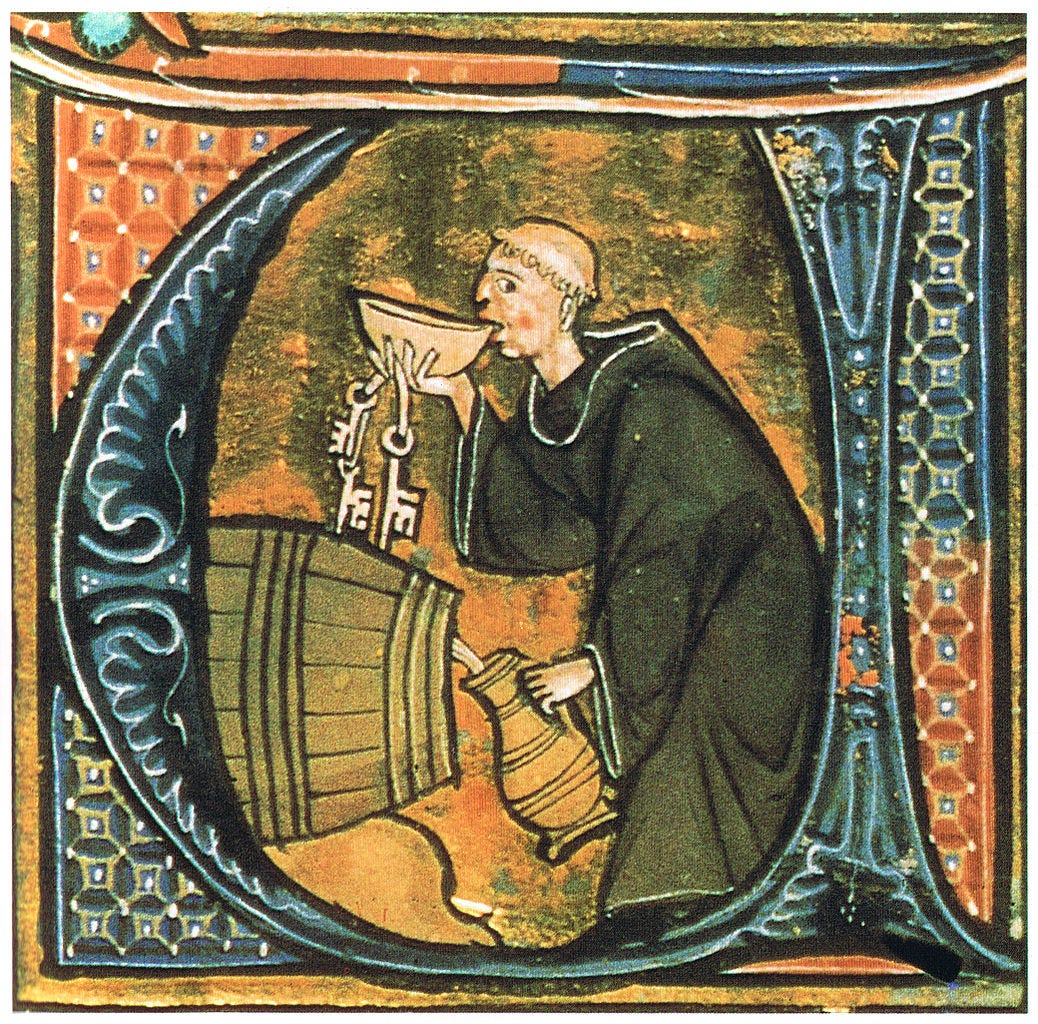
All bourbons are certainly not created equal, and while their isn’t a strict correlation between price and quality, it is pretty close. I don’t particularly enjoy cocktails and always take my bourbon neat (excepting perhaps certain waters which can unlock some flavors), and thus the quality of the bourbon for myself is never hidden by other flavors or temperatures. It’s purity and quality have to stand out for themselves.
When you taste a quality bourbon after one that is inferior, you immediately recognize the difference, and the inferior one which may have been passable for lack of other options is immediately forgotten. You now know experientially what a good bourbon is, and it’s very difficult to go back to something lesser.
Does that make one a bourbon snob? Yes, yes it does, and you’ll thank me.
In this opening verse of Psalm 31 the Psalmist begins by recollecting his sins and offenses, remembering there shame and destruction which is brought into sharp relief by the existential reality of his forgiveness. In the time of sin it can seem pleasurable, but on the other side of forgiveness it is seen for the foulness that it is.

Conversely, when engaging in sin righteousness can seem aloof or something that might be nice but not necessarily; perhaps even unattainable. But here the Psalmist looks back and realizes what a foolish approach that is, and how sweet God’s mercy is which washes away those iniquities.
In our human experience we come to knowledge and understanding through discursive reasoning as far as the intellect is concerned, but on the level of our experience all that is in the mind is mediated through the senses; in this respect we do not fully know until we have seen or heard or tasted or touched. We can wax poetic about the taste of some exotic dish, read all about it, perhaps even understand how to prepare it, but we don’t really know it until we have tasted it.
In a similar manner we can reason about forgiveness and righteousness, but it is impossible for it to remain on the level of abstraction in the intellect; we have to be forgiven, have to become righteous for those realities to become real for us. That is why justification is not simply something imputed to us in an abstract legal sense, but is actually God infusing his righteousness to us. We cannot truly know God until we become like unto him, which is why God became man in the Incarnation of our Lord Jesus Christ.
Our life with God begins with our recognizing the depths of our sin and coming to God in humility and repentance. This movement which is initiated by God’s grace towards repentance is our first taste of the sweetness of God’s mercy, and the foul aftertaste of our life of sin. This is why this Psalm begins with a remembrance of repentance, because it is only after that we can taste of richer fare. St. Robert Bellarmine concludes:
No one can fairly appreciate the value of health until they have had to deplore the loss of it. It was only when David tasted of the bitterness of sin that he first began to feel the sweetness of innocence. Hence, this Penitential Psalm starts in the praise of pardon and innocence; for they heal the soul, and are opposed to that sickness that is brought on by sin. He begins with pardon, as well for the sake of advancing from the inferior to the superior, as also, because it was only very lately his health had been restored. “Blessed are they whose iniquities are forgiven.” How happy are they, who, notwithstanding their fall, are, still, not despised by God; but, roused by his grace, are converted to penance, and thus obtain pardon. (St. Robert Bellarmine, A Commentary on the Psalms, 31, 1)
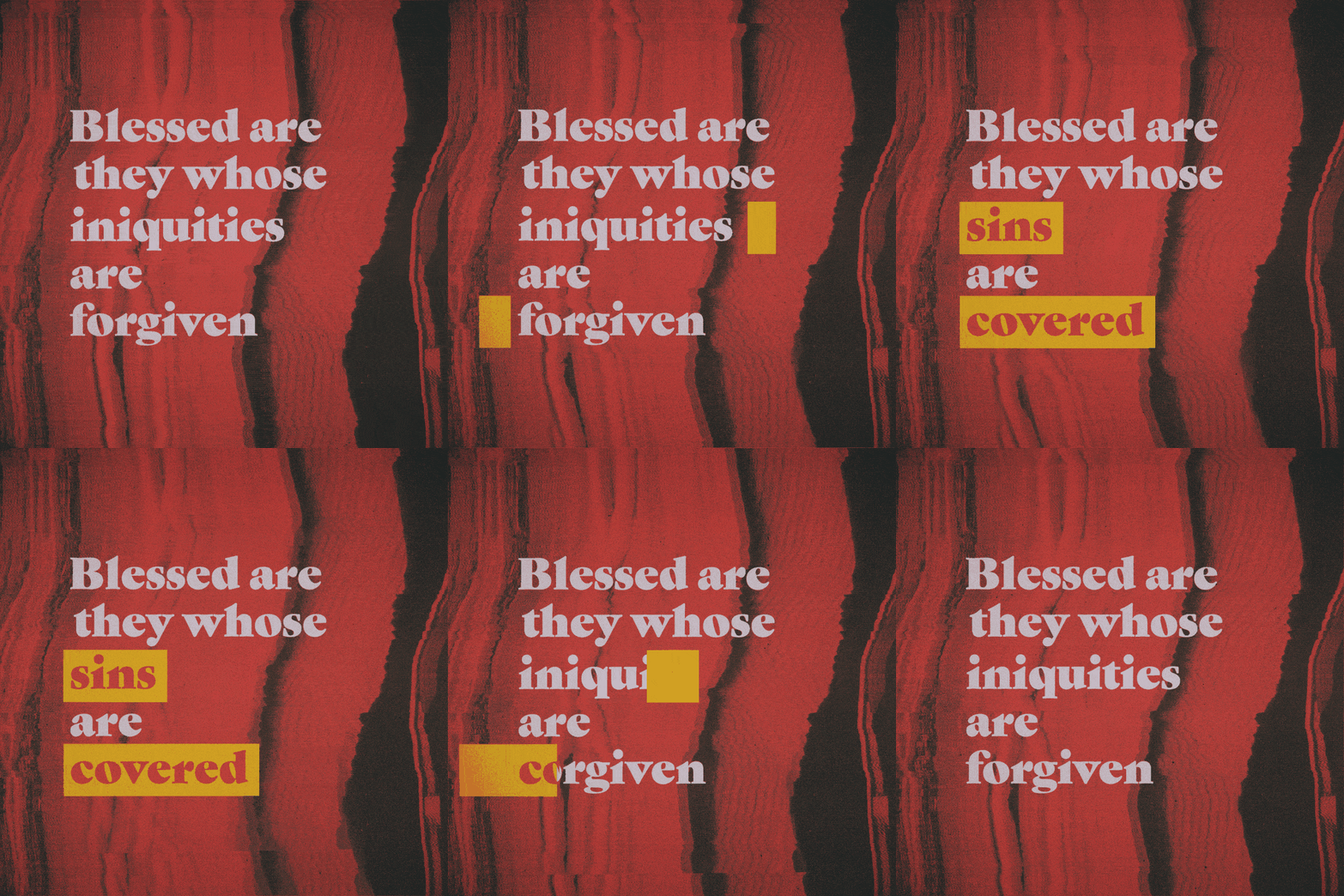
I thought it’d be fun to take a simpler approach to this animation. I found this great texture on Unsplash and did some color correction to get a more monotone look with it. Next I used the indispensable LoopFlow script to create the flow movement, which isn’t perfect, but I still think worked pretty well.
The text animation was very simple. I placed the text so that the appropriate text could be covered and revealed, and then just used various mattes to reveal and hide the relevant text. I guess it’s pretty on the nose for the verse, but sometimes that can be the best approach to take.
Enjoy.
To David himself, understanding.
Blessed are they whose iniquities are forgiven,
and whose sins are covered.
(Psalm 31:1 DR)
View a higher quality version of this gif here: