

Psalm 5:13
bashing temptation in the face

For thou wilt bless the just. O Lord, thou hast crowned us, as with a shield of thy good will. (Psalm 5:13 DR)
As this Psalm concludes, the Psalmist recapitulates the whole in the previous verse: the psalm is for those who obtain the inheritance, and those who do so are the just who through perseverance and grace dwell with God. This final verse describes the hope that comes from this inheritance, that God will bless the just and crown them with a shield of his goodwill.

This shield, St. Augustine notes, is the calling of God towards those who has justified, an outpouring of his grace which precedes man’s desire for forgiveness:
This is blessing, to glory in God, and to be inhabited by God. Such sanctification is given to the just. But that they may be justified, a calling goes before: which is not of merit, but of the grace of God. “For all have sinned, and want the glory of God.” [Romans 3:23] “For whom He called, them He also justified; and whom He justified, them He also glorified.” [Romans 8:30] Since then calling is not of our merit, but of the goodness and mercy of God, he went on to say, “O Lord, as with the shield of Your good will You have crowned us.” (St. Augustine, Expositions on the Psalms, 5, 17)
It thus is a theological principle that any good or blessing which befalls us is not a matter of our merit or our striving for it, as if we compel God to give grace, but is rather a cooperation with the grace that God has freely chosen to bestow due to the overflowing of his love, which John explicates succintly:
In this is charity: not as though we had loved God, but because he hath first loved us, and sent his Son to be a propitiation for our sins. (1 John 4:10 DR)
Yet we are still constantly besieged by trouble and temptation, and the the paths to fall into sin are many. We can reject God’s mercy and call into two seemingly opposite ways:
Firstly, but neglecting his commandments and spurning his mercy, either but counting them as nothing or presuming upon his mercy. We treat sin too lightly and lack vigilance and thus fall into it.
Secondly, through scrupulosity, in which we fail in faith that God is merciful and will forgive us, spurning his promises. This can also come by a twisted form of self-righteousness where we imagine everything is sinful and have more regard for our scrupulosity or self-imposed and self-defined apprehension of sin than for our Lord’s sacrifice for sin and promise to cleanse us from it. It’s not that we take sin too lightly (which probably isn’t possible) but rather that we take God’s promises too lightly, imagining our sin is to great for his mercy to wash away.
In either case the problem lies in having more regard for ourselves than for God’s grace, and without grace we will inevitably fall.
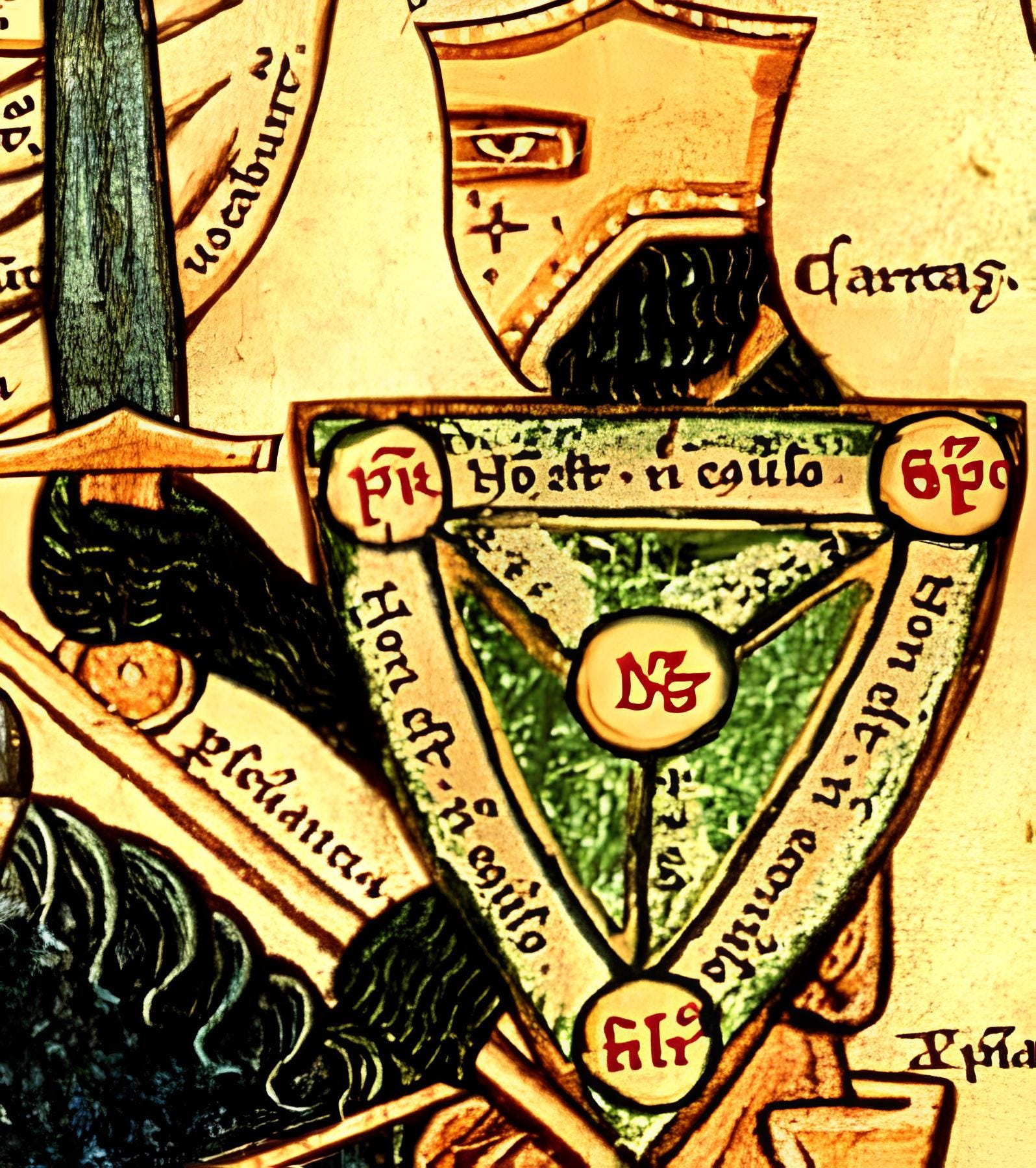
The just man, in contrast, places his hope completely in God’s grace, realizing that the very desire to repent is a gift from God that springs from his goodwill. In this respect Confession should never be seen as embarrassing or admittance of failure; it is rather cooperating with God’s goodwill, with the One who desires to bring his erring children back into union with him. St Augustine continues:
Since then calling is not of our merit, but of the goodness and mercy of God, he went on to say, “O Lord, as with the shield of Your good will You have crowned us.” For God's good will goes before our good will, to call sinners to repentance. And these are the arms whereby the enemy is overcome, against whom it is said, “Who will bring accusation against God's elect?” Again, “if God be for us, who can be against us? Who spared not His Only Son, but delivered Him up for us all.” “For if, when we were enemies, Christ died for us; much more being reconciled shall we be saved from wrath through Him.” [Romans 5:10] This is that unconquerable shield, whereby the enemy is driven back, when he suggests despair of our salvation through the multitude of tribulations and temptations. (ibid.)
We need never despair of God’s mercy; such a despair is a lie from the evil one, for God’s mercy is always before us. When we cooperate with his grace and receive his mercy it is not something we merited to receive, but is rather God giving us grace and then crowning the gift he gives us.
In this animation I found a great image from a 13th century manuscript which originally depicts three orders of medieval society—the cleric, the knight and the workman. I thought the image of the knight would be great in respect to protecting someone.

I began by cutting out the knight and the cleric in Photoshop. Since I wanted the knight to bash with the shield, I separated the shield and the arm and then did quite a bit of clone stamping and content aware fill to fill in what is not there in the original. I also removed the workman completely.
In After Effects I recomposited the cleric behind the knight and then rigged up the knight using the Puppet tool and PuppetTools 3 to link the pins to Nulls. I did the same for the cleric.
I found another image from another manuscript which had a similar style and repeated the same process, to have 3 rigged characters. Next I animated the soldier moving in and then the animation of the sword swinging. I naturally animated the knight to respond with a shield block as well as the cleric reacting to the assault.
On the third sword strike I had the knight move in for a shield bash which knocks the soldier out of frame, setting it up for the loop. This one was a bit tedious, but still pretty fun and I really liked how it turned out.
Enjoy.
For thou wilt bless the just.
O Lord, thou hast crowned us, as with a shield of thy good will.
(Psalm 5:13 DR)

View a higher quality version of this gif here: